After a long, frigid Minnesota winter, spring is the perfect time to focus on improving the air quality inside your home. Most Americans spend at least 90% of their time indoors, where allergens and other pollutants can trigger headaches, fatigue, allergies and long-term respiratory issues.
Cleaner air reduces allergy symptoms and creates a more comfortable living environment as pollen and humidity levels rise.
As a trusted local HVAC expert serving Minnesota homeowners for decades, Ditter Cooling, Heating and Electrical understands how our climate affects indoor air and what it takes to keep your home healthier throughout every season. Our team can help you identify hidden air quality problems and recommend solutions tailored to your home’s needs.
Why Indoor Air Quality Matters During Spring in Minnesota
Spring in Minnesota brings a rapid shift as snow melts, humidity rises and pollen counts climb quickly. Inside your home, that seasonal change stirs up trapped dust, allergens and pollutants. Once you start running your HVAC system more often, it will recirculate those particles through the air you breathe daily.
For many households, this means increased allergy symptoms, dry or irritated sinuses and that stale feeling that’s hard to ignore after months of closed windows. Even small amounts of indoor pollutants can contribute to headaches, fatigue and respiratory irritation, especially for kids, older adults and anyone with asthma or sensitivities.
Improving indoor air quality this spring is one of the most effective ways to breathe easier, reset your home’s air after winter and prepare for the humidity and pollen that come with the warmer months.
Health Benefits of Improved Indoor Air Quality
Fewer Allergy and Asthma Symptoms
Dust that settles on surfaces, pet dander that circulates through your HVAC system and mold spores that thrive in damp areas all contribute to flareups in spring. Reducing these particles minimizes sneezing, coughing, itchy eyes and asthma triggers, making daily life noticeably easier for anyone with respiratory sensitivities.
Better Sleep and Comfort
Consistently restful sleep is another benefit of a home that feels livable around the clock. You can relax more fully at night when you aren’t fighting congestion. Cleaner airflow prevents that stuffy, heavy feeling that can be so disruptive during spring allergy season.
Reduced Illness and Germ Spread
When your HVAC system circulates filtered, healthier air, it limits the spread of bacteria and viruses moving from room to room. With fewer lingering contaminants, your home will become a wholesome environment for everyone who lives there.
Protect Your Home with Better Indoor Air Quality
IAQ in Medina, MN, also affects the structure and materials inside your home. When dust, moisture and airborne pollutants circulate unchecked, they can gradually damage wood floors, furniture, trim and other natural materials. High humidity is especially problematic in spring, when warmer air and melting snow introduce more moisture. Excess humidity can lead to mold growth, musty odors and condensation on windows or walls, all of which can cause long-term damage if left unaddressed.
Balanced indoor air prevents these issues by keeping moisture levels in check and reducing the particles that settle on surfaces. Filtration, ventilation and humidity control limit mold growth, reduce condensation and extend the life of your home’s woodwork and furnishings.
Signs Your Home May Have Poor Indoor Air Quality
Poor indoor air quality often shows up in small but persistent ways. If you’ve noticed any of these signs, it may mean your HVAC system isn’t filtering effectively, your home’s humidity is out of balance or pollutants have built up indoors.
- Excess dust: When dust returns quickly after cleaning, it often means your air filter isn’t capturing particles effectively.
- Dry skin or throat: Air that’s too arid or filled with irritants can pull moisture from your skin and airways.
- Allergy symptoms: Sneezing, congestion or itchy eyes indoors usually point to dust, pollen or pet dander circulating through your home.
- Musty smells: A damp, musty odor often signals hidden moisture or mold growth in poorly ventilated areas.
- Static electricity: Frequent static shocks are a sign that your home’s humidity levels are too low.
- Condensation on windows: Moisture forming on glass indicates excess indoor humidity, which can lead to mold and damage to wood surfaces.
These signs are easy to overlook, but together, they point to air quality issues that can affect your comfort, health and home. Improving filtration, ventilation and humidity control can make a noticeable difference this spring when indoor pollutants and outdoor allergens overlap.
Indoor Air Quality Solutions for Minnesota Homes
Improving indoor air quality often requires a combination of filtration, purification, humidity control and ventilation. Minnesota’s long winters and fast spring warmups make these solutions especially valuable, since homes stay closed for months and then experience sudden spikes in humidity, pollen and airborne allergens. Ditter Cooling, Heating and Electrical offers a full range of IAQ upgrades designed to keep your home healthier and more comfortable all year:
- Whole-home humidifiers: Balanced humidity is essential in Minnesota, where dry winter air can irritate sinuses, damage wood floors and make your home feel colder than it is. A whole-home humidifier adds the correct amount of moisture back into the air, improving your comfort and protecting woodwork and furniture.
- Dry skin or throat: Air that’s too arid or filled with irritants can pull moisture from your skin and airways.
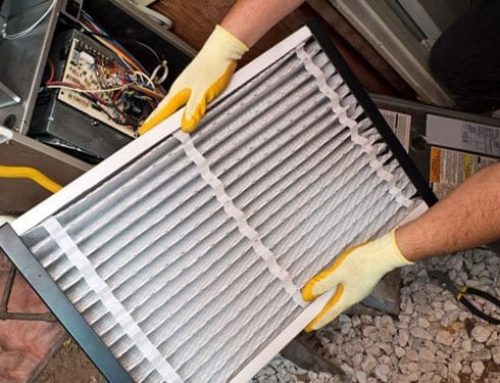
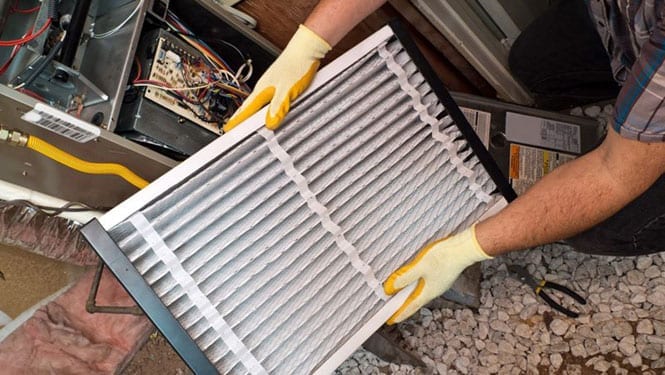
- Advanced air filtration systems: Air filtration is one of the most effective ways to reduce dust, pollen, pet dander and other airborne particles. Look for the MERV rating, which measures how well a filter captures particles of different sizes. Households with allergy or asthma sufferers often benefit from MERV 11 to 13. Our technicians can help you choose the appropriate MERV rating for your home, so you get cleaner air without restricting airflow or reducing system efficiency.
- UV air purification: UV air purifiers use ultraviolet light to neutralize bacteria, viruses and mold spores as air passes through your HVAC system. This technology adds an extra layer of protection, especially during spring when humidity rises and biological growth becomes more common.
- Whole-home ventilation systems: Pollutants can build up quickly in tightly sealed Minnesota homes. Proper ventilation is the remedy, replacing stale indoor air with fresh, filtered outdoor air. Energy-recovery and heat-recovery ventilators improve airflow without wasting energy.
- Professional air quality testing: If you’re unsure what’s affecting your home’s air, we provide air quality testing to identify pollutants, humidity issues and ventilation gaps. Our team can pinpoint the source of IAQ problems and recommend the ideal solution.
Improve Your Indoor Air Quality Today
Clean indoor air is more than a seasonal concern–it’s essential for your year-round wellness. Now is the perfect time to act if you’ve noticed dust buildup, allergy symptoms or humidity issues this spring. Ditter Cooling, Heating and Electrical can help you identify what’s affecting your home’s air and recommend solutions that fit your needs.
Learn more about indoor air quality benefits by reaching out to our team. Whether you want to schedule an in-home estimate or get expert advice, call 763-710-3456 today to breathe easier this season and beyond.